A practical primer on moving from narrative to structured, tagged disclosure - with three real examples of iXBRL in use today.
iXBRL (Inline XBRL) is an open standard that merges human-readable HTML web page formatting with machine-readable structured data tags. This allows organisations to publish visually designed, formatted reports while simultaneously embedding standard-compliant metadata that regulators and analytics engines can parse automatically.
Working with iXBRL data extends beyond simply viewing reports in a web browser. iXBRL reports can be loaded into any compliant processor, allowing the data to be consumed by analytics engines, loaded into databases for querying, or processed into new reports - all while retaining a clear link back to the original source information.
Mandated by major regulatory bodies globally, its application is expanding beyond finance to include financial statements, structured sustainability (ESG) reporting, and corporate action documents such as dividend disclosures.
The following examples provide practical insight into how iXBRL is applied - from a single tagged statement to a fully structured annual report and a corporate action disclosure.
This example demonstrates how structured data can be embedded in an iXBRL report while maintaining full control over the statement's visual presentation. Exploring the data tags reveals the underlying "concepts" (e.g., ifrs:Revenue) used to classify the figures. These concepts are drawn from a dictionary, or taxonomy - in this case, the IFRS taxonomy published by the IFRS Foundation.
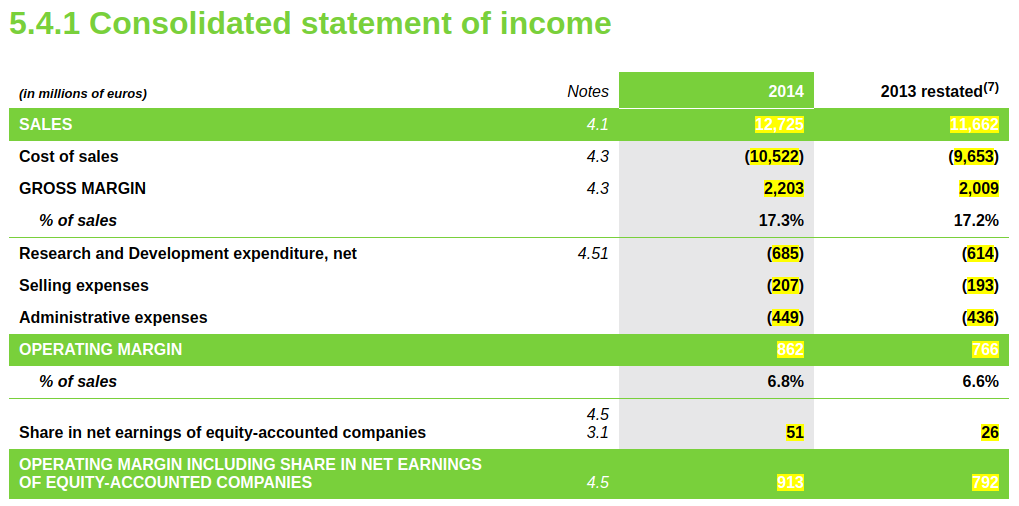
An annual report can be published in iXBRL format to meet regulatory requirements, such as those from the EU and Denmark. This creates machine-readable content with provenance, meaning the data is embedded with invisible, tamper-proof digital signals and cryptographic signatures that trace its origin, creator, and history. This structure enables automated systems to instantly verify authenticity and check for tampering.

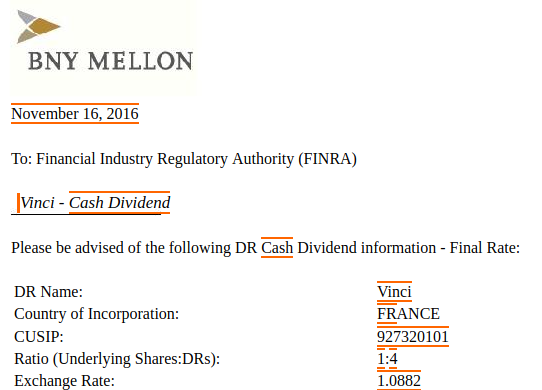
Combining human-readable and machine-readable information offers significant benefits, helping organisations transition away from inefficient manual processes. A common use case is the disclosure of corporate actions, such as dividend payment announcements - ensuring the information is both easily understood by stakeholders and readily processed by automated systems.
The iXBRL International website provides a wide depth of information on standards, guidance and useful blog articles.
Visit www.xbrl.org →